Un any més Sagunt es converteix en centre de la cultura clàssica i del teatre grecollatí. Gràcies a l'esforç de molts col·lectius d'ensenyament (Prosopon Teatro, Assessoria de Cultura Clàssica, Escoles de la comarca, grup de profes dels Tallers de Cultura Clàssica, grups de teatre valencians com TEAMUS i d'altres geografies de l'Estat, etc.) i a les institucions (CEFIRE de Sagunt, Ajuntament de Sagunt -Regiduries de Cultura i Educació- proposant fins i tot nous tallers) que fan possible que la festa del teatre siga una realitat als carrers de Sagunt.
divendres, març 31, 2006
La festa del Teatre Grecollatí a Sagunt
Publicado por
Antoni Navarro
en
31.3.06
1 comentarios
Vínculos a esta entrada
divendres, març 24, 2006
Festival de Contes a Torrent
"Un Torrent de
contes"
Publicado por
Antoni Navarro
en
24.3.06
0
comentarios
Vínculos a esta entrada
dimarts, març 21, 2006
Proves de Valencià
Publicado por
Antoni Navarro
en
21.3.06
1 comentarios
Vínculos a esta entrada
dimecres, març 15, 2006
Dels jocs de llengua al text poètic
Publicado por
Antoni Navarro
en
15.3.06
0
comentarios
Vínculos a esta entrada
diumenge, març 12, 2006
Dagoll Dagom a València
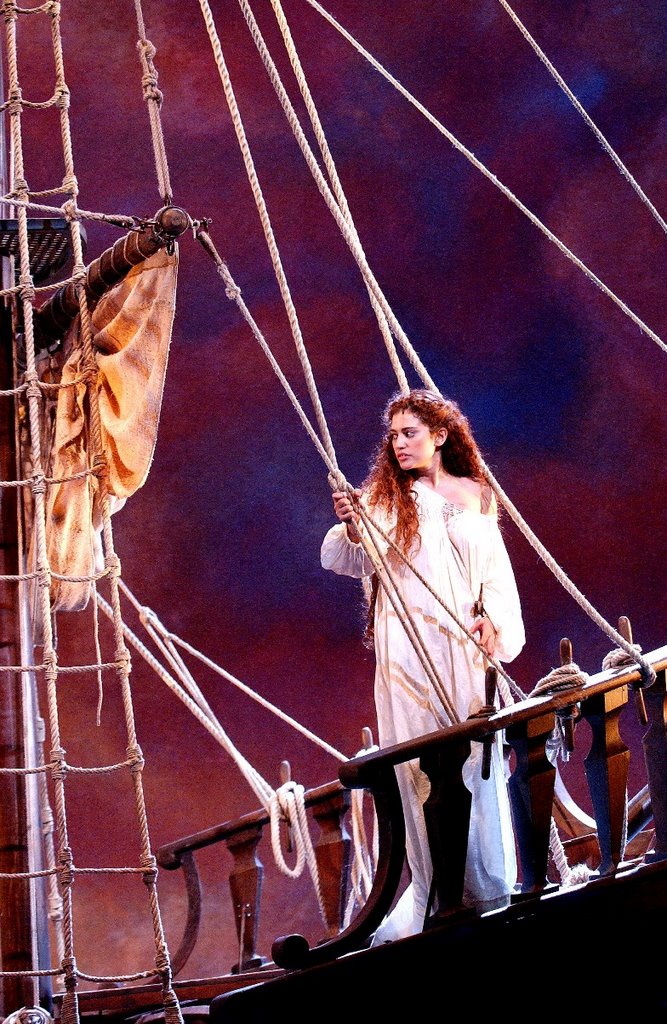
"Mar i cel” en versió de Dagoll Dagom (l'entranyable grup de teatre català), narra la història d’un amor apassionat i tràgic que sorgeix entre dues persones que pertanyen a comunitats secularment enfrontades i que, actualment, per desgràcia, continuen en la seva sanguinària cursa de violència i mort. El tractament del conflicte entre cultures com tema social per mitjà de personatges plens de matissos és la força i la vigència del teatre d’un gran autor clàssic com Àngel Guimerà que va saber parlar-nos de tolerància amb dos mites com Blanca (animada actualment per la barcelonina Elena Gadel) i Saïd (interpretat des de fa anys pel valencià Carles Gramaje).
Publicado por
Antoni Navarro
en
12.3.06
2
comentarios
Vínculos a esta entrada
divendres, març 10, 2006
Festival de Poesia d'Oliva
Si ja és molt difícil trobar bons lectors de poesia, més difícil és encara trobar festivals literaris dedicats a aquest gènere. Per això ens volem fer ressò d'aquest esdeveniment cultural de primer ordre. Per saber-ne més entreu ací.
Després de l'èxit de la primera edició del Festival de Poesia d'Oliva, i per segon any, podrem gaudir de la presència de diversos poetes del nostre àmbit lingüístic i d'altres, que ens deleitaran recitant els seus poemes. En aquesta festa de la paraula podreu escoltar les veus de poetes com Cristina Peri Rossi, Biel Mesquida, Rafael Vallbona, Maria do Cebreiro, Ester Zarraluqui, Jaume Sisa, Núria Martínez-Vernís i Carles Duarte entre d'altres. N'hi ha més...
Publicado por
Antoni Navarro
en
10.3.06
0
comentarios
Vínculos a esta entrada
First, the topic must be chosen carefully so that it attracts the students’ interest. Television or radio programmes are usually an appealing option for a teenager since, who hasn’t dreamed to be a news broadcaster in his/her adult life? And that’s what we are going to sort out today, we are going to allow students to dream for a while, but they will dream by means of their English.
Second, the task must be introduced properly so it is correctly understood. We may endow the students with some previous activities pre-teaching vocabulary, provide preceding discussion activities dealing with their own interests in or everyday habits towards certain radio programmes, etc.
Third, we will organize the groups, the roles, set the concrete situation where they have to work out their own news programme and present the activity with some details which make it most interesting: while they are preparing their programme (which is required to last exactly, exactly ten minutes) for example, lots of news letters, opinion letters, advertisement information… will be arriving regularly in such a way that the group of students will have to decide hurriedly which ones are going to be on, which ones are going to be left out, which ones are going to be kept just in case, which ones should be rewritten, if there will be headlines, which ones will be useful for an interview…etc. (As they are real life journalists who have to fix the most attention-grabbing radio programme of the day)
And then, after a time of preparation, they will be given their opportunity to be on the local or national network. They will be given the opportunity to dream and enjoy English while their mates are listening to them or/and the teacher is recording them.
Of course, after this listening, writing, speaking and reading activity the teacher may draw attention to different aspects such as the different ways of classifying the news information detected in the different groups, the ways of summarizing a piece of news, grammar, pronunciation mistakes… etc.
See you after “Fallas”. By Adelaida Blasco.
Publicado por
Antoni Navarro
en
10.3.06
0
comentarios
Vínculos a esta entrada
dimecres, març 08, 2006
Dones en el seu dia
Dones de donar, de "quina dooona!!!", i de "Xe, dona!", "etc. A totes moltes felicitats!!!
Dones, les utopies ja s'han acabat. Amiga regala't un bon film d'Itziar Bollain, de la Isabel Coixet o d'Almodovar, o tria pel·lícules com per exemple "Quiero ser como Bechkam", "Million Dolar Baby" o "Deliciosa Marta", etc. I... als homes? No em queda una altra cosa que dir-los: AMIGO NO GIMA" avui no és el seu dia.
NOTA: aquest text porta un missatge secret. A veure si el descobreixes!!! Si voleu treballar aquest films a l'aula entreu ací. Si voleu treballar la poesia de les dones ací teniu una bona selecció:
Publicado por
Antoni Navarro
en
8.3.06
0
comentarios
Vínculos a esta entrada
dimarts, març 07, 2006
Flashes de Teatre Clàssic
Publicado por
Antoni Navarro
en
7.3.06
0
comentarios
Vínculos a esta entrada
dilluns, març 06, 2006
Writing activities
- Last Tuesday we started with a funny warm-up activity called “Lateral Thinking Problems” where Tim told us a piece of a story with missing information and we had to guess it. We had to guess through questions but the answers could only be “yes” or “no”. If we went directly to the answer we would probably fair so we had to ask as many questions as we could. This was also a Task-Based Learning activity in order to introduce us to the main activities.
One of these activities was: “A man goes into the bar and asks for a glass of water. The barman doesn’t give him a glass of water and instead of that he shows him a gun. The man says thanks and left the bar”.
After that, Tim gave us a long list of similar PUZZLE STORIES and some IDEAS FOR WRITING ACTIVITIES. For example, we can mention the followings:
1. Written arguments / conversations: Give everyone situation and first line; they pass papers to the right and write a reply, then pass back to the left and continue the argument / conversation.
2. Thank-you letters that don’t name the gift / favour. Others have to guess what it is. And finally, for example:
3. My life story: can be spread over several sessions, with more stuck on walls each time.
Before going deeply with the writing activities we sat in pairs and we discussed some statements according to the way we have to correct or to introduce a writing activity. We reached that “In England everyone is a cyclist while here in Spain we are all mechanics and we don’t know how to ride a bicycle”. Because English students differs from Spanish ones that they are focused on speaking and writing instead of grammar.
The following activity was a Pre-Writing Activity getting students to think before they written assessment: Tim gave us a topic (hobbies) and we wrote down our favourite hobby: “My hobby is collecting cinema tickets”. Each piece of paper passed round and a new question added each time, e.g. “Do you go to special places to buy or find them?”. These questions then form the framework of the main writing activity and we have to tell to the rest what is our hobby and answer at least one question.
Then we continued with a similar activity but instead of writing questions we wrote a story. Each of us wrote a sentence or a pair of sentences with a word given by Tim. The first one was “Stormy night”. Then the sentences passed round and a new sentences added each time and we must incorporate our new sentence into the story. Every time Tim gave us a different word, as for example: “huge oak door”, “large rat with bloodshot”, “terrifying scream” and so on. It was funny because finally when we read the whole story, some of them were really unbelievable and it was funny to know how imagination can be a good tool to create a story. This activity is very useful for students because they can think and write at the same time.
At the last part of the lesson we did a dictation but this was a mixed of the genres of dictation and free-writing. This is called “Skeleton Dictation”. It’s half dictation and half free-writing. Another Skeleton dictation is called “Memory dictation”, basically the teacher shows us a picture and we have to continue writing. The first half what we hear and the other one what we remember of the picture. We finished the last lesson with this activity.
Publicado por
Antoni Navarro
en
6.3.06
1 comentarios
Vínculos a esta entrada
dijous, març 02, 2006
Homocomunicatio
Qui té por a actualitzar-se amb les TIC?
El repte és cada vegada major. Les famoses autopistes de la comunicació atravesen tot el món. Els professors de llengües i literatura hem d'incorporar-nos el més aviat possible. Quan més tardem, més car serà el peatge (alaaaa, exagerat!!!).
Si voleu veure les últimes incorporacions a la blogosfera en didàctica de la dramatització entreu ací.
Publicado por
Antoni Navarro
en
2.3.06
0
comentarios
Vínculos a esta entrada
dimecres, març 01, 2006
Teatre Negre
Les sessions de Rafa Desco dins el taller La dramatització com a eina didàctica s'acabaren però a a aquells que us interesse aplicar-la a l'aula compteu amb la weblog La llum negra a escena. Rafa està esperant els vostres comentaris.
Publicado por
Antoni Navarro
en
1.3.06
0
comentarios
Vínculos a esta entrada